
Food: When the Old Rules Stop Working in Menopause
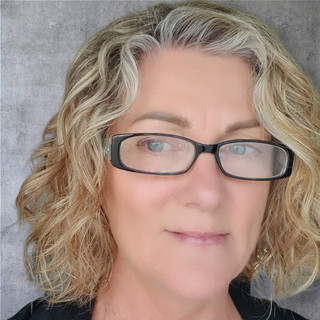
I turned fifty, entered menopause, experienced my first full body hot flush and gained the first kilo I couldn't easily lose.
Talk about marking a milestone.
Until then, if my weight crept up a little, I knew what to do. I ate a little differently, moved a little more and it came back down again. Except this time it didn't.
That first stubborn kilo brought friends.

Over the following three years I gained around 10 kilos before eventually starting HRT, and another eight kilos followed afterwards. I mention that distinction deliberately.
HRT did help me with many of my symptoms, but it didn't return my body to the one I'd had before menopause, nor alleviate my all my new aches and pains. I think this is worth saying because HRT is sometimes spoken about as though it's the only answer to menopause. Sure, it can be enormously helpful for many women and many symptoms, but it isn't the holy grail for all. Indeed, it isn't suitable, wanted or tolerated by some and, like any medication, its benefits and risks need to be considered individually with an appropriately qualified healthcare professional.
Eventually my doctor recommended the Fast800 approach for my weight issue. And over six months I lost six kilos, which I have kept them off. However, it is not a sustainable option long-term and I have certainly plateaued.
So, rather than simply eating less and less in an attempt to make the scales move again, I've become much more interested in another question: “What does my body actually need from food now?”
There is more going on than the scales can tell us
Weight is the obvious thing we notice because we can see it and measure it. What we can't see quite so easily are the changes happening to muscle, bone, fat distribution, blood glucose regulation and cardiovascular health.
Some of that is aging. Some is influenced by the hormonal changes of menopause. And, as I'm discovering with almost everything to do with midlife, the two don't always separate themselves neatly for our convenience.
One thing my more recent study has reinforced is the importance of maintaining muscle as we get older. Muscle isn't simply about strength or how our arms look in a sleeveless top. It helps us move, supports our joints and bones, contributes to balance and independence and has an important role in metabolic health.
Which naturally brings us to protein.
There seems to be an increasing message aimed at midlife women that we should all be eating considerably more of it. What I've learned has made me a little more cautious about turning that into another menopause rule.
Protein matters. 100%. Our bodies need it to maintain and repair tissues, including muscle. But that doesn't automatically mean more is always better, or that every postmenopausal woman needs to chase the same high-protein target.
I'm becoming more interested in the balance and source of that protein. Fish, eggs and dairy can contribute, but so can beans, lentils, chickpeas, tofu, nuts and seeds. Those plant sources bring other useful things along with them too, particularly fibre.
And muscle doesn't live on protein alone. We need to use it too.

Looking at what food gives us
This is probably where my thinking about food is changing most. For a long time, particularly when trying to lose weight, the obvious question was: “How many calories are in this?”
Now I'm increasingly asking: “What is this actually giving my body?”
Fibre is a good example. It contributes to bowel and metabolic health, but it also feeds parts of the extraordinary community of microorganisms living in our digestive tract, collectively known as the gut microbiome. Some of those bacteria ferment certain fibres and produce substances that are being studied for their roles in gut and wider metabolic health.
Suddenly vegetables, fruit, legumes, whole grains, nuts and seeds aren't simply the virtuous-looking things we're supposed to eat because they're “healthy”. They're providing fibre, nutrients and a huge variety of plant compounds.
The same broader thinking applies to inflammation. Food isn't a magic switch that turns inflammation on or off, despite what some rather enthusiastic wellness claims might suggest. But our overall dietary pattern does matter.
I've written before, in ‘When Inflammation Has Something to Say’, about the role inflammation can play in the wider midlife picture.
And this is where a Mediterranean-style way of eating keeps appearing in what I've been learning. Vegetables and fruit, legumes, whole grains, nuts and seeds, olive oil and other unsaturated fats, fish and a greater emphasis on plant foods. Not another restrictive diet. More a way of eating that supports several things at once.
That matters because our bones are living tissue too. The decline in oestrogen around menopause can accelerate bone loss, while aging brings its own challenges to maintaining muscle. Protein, calcium, vitamin D and other nutrients all have roles, but none works in isolation.
Food is supporting much more than our waistline.
The other pillars of wellness need a look in menopause
One of the things I'm noticing as I explore midlife, menopause and the known Four Pillars of Wellness more broadly is how difficult it is to talk about one part of it without another wandering into the conversation.
Sleep is a perfect example. Poor sleep doesn't simply leave us tired the next morning. Sleep and metabolic health are connected, and disrupted sleep can influence appetite and the way we eat. Although I probably didn't need science to tell me all of that.
After a dreadful night's sleep, I don't recall ever leaping out of bed thinking, “You know what I'd really love today? A large bowl of leafy greens.” We're tired. Convenience becomes appealing. We may have less inclination to cook, move or make particularly thoughtful choices. Our brains aren’t working as sharply as we would like.
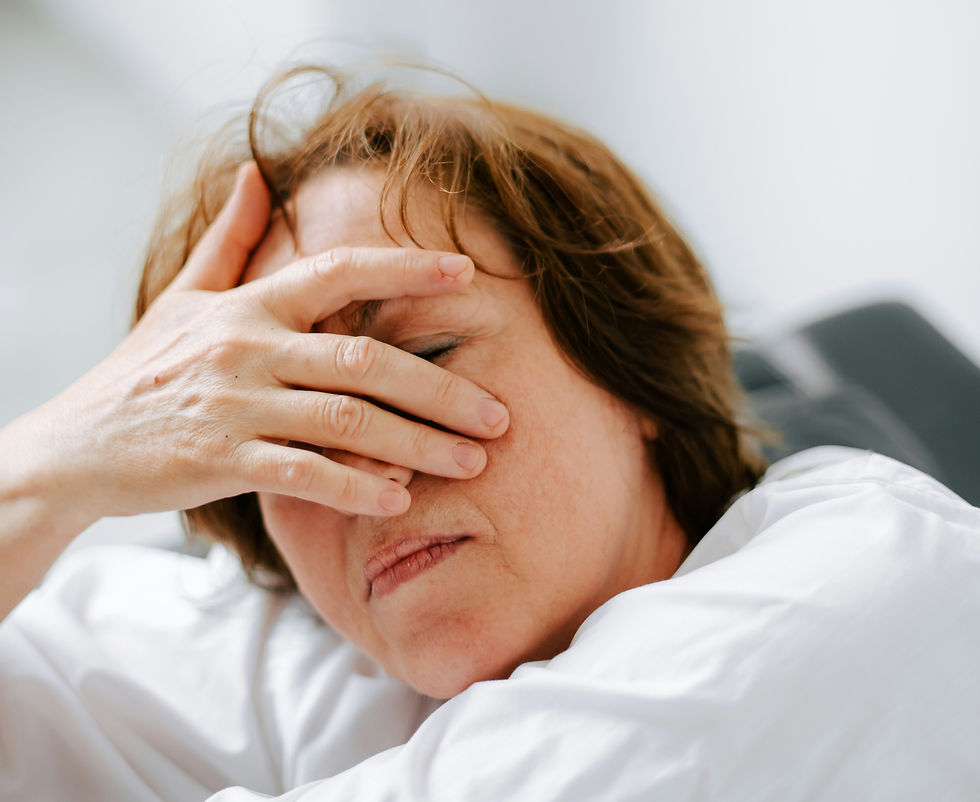
Stress can do much the same thing in different ways. Cognitive function, brain fog, verbal fluency, that frustrating ‘tip-of-my-tongue’ phenomenon when the word you know perfectly well simply refuses to arrive.
And movement … that affects the muscles we're trying to nourish and maintain.
So, telling a tired, stressed, worried midlife woman simply to “eat better” rather misses the point. Just as telling her to sleep more isn't particularly helpful if we don't consider why she isn't sleeping.
Perhaps I already have a place to start
The funny thing is, I don't actually need to invent a new way of eating from scratch.
Some time ago, holistic nutritionist Chiza Westcarr prepared menopause-supportive meal plans that I've had amongst my professional resources for the ‘TrueSkin Diagnosics’ side of my business. There's an omnivorous menopause meal plan, a vegetarian version and a Healthy Eating/Anti-Inflammatory plan.
They're not a magic weight-loss diet, nor are they an individual prescription for every woman, but they are a great source of guidance when you need a re-set.
I can see more clearly why the emphasis on whole foods, vegetables, legumes, nuts and seeds, healthy fats and varied sources of protein matters. Rather than looking at a meal primarily in terms of calories, I'm beginning to look at what all those different foods are actually bringing to the table. Literally, in this case.
So perhaps my next experiment isn't another diet at all.
I've lost six kilos and kept them off, but I've reached a plateau. So, I'm going to take some of what I've latterly learned and put it into practice.
I'll look more closely at where my protein is coming from rather than simply trying to eat more of it. I'll pay more attention to fibre and plant variety, the fats I'm choosing and whether the overall balance of what I'm eating is supporting my muscles, bones, gut and cardiovascular health as well as my weight.
And I have Chiza's plans sitting there as a practical guide to help me do it.
Most importantly, whatever I change needs to be something I can actually live with. Because a way of eating that only works while you're gritting your teeth and counting the days until you can stop probably isn't much of a long-term answer.
What I'm looking at differently now
Perhaps what has changed most recently, though, is what I'm measuring success by.
Of course, I'd still like to lose some of the weight I've gained. I'm not going to pretend otherwise.
But I don't just want a smaller body. I want a strong one. I want muscles that keep me moving, bones that keep supporting me, a cardiovascular system that keeps doing its job, a gut that behaves itself reasonably well and enough energy to continue doing the things I enjoy.

And, if a few more kilos decide to leave along the way, I won't be sad to see them go.
So, perhaps, at this stage of life it isn't about eating less. Perhaps it's about learning to feed the body we have now, rather than continually trying to make it behave like the one we had before midlife and menopause.


