
What To Do When the Body Complains

It wasn't subtle, it was an injury that laid me flat out.
I had moved some heavy furniture by myself - one of those moments where you think, “I’ll just get this done.” I felt the pull through my lower back almost immediately.
I knew I had done something significant to my back. What I didn’t expect was how differently my body would respond - and how long that response would linger.

I expected it to settle down as other exercise-related injured of the past had. But, it didn’t. After a few weeks, I booked a massage, thinking it would help release whatever had tightened. Instead, something shifted again. This time it wasn’t just muscle. The sciatic nerve became involved, and what had been localised discomfort became something that travelled – into the hip and down the leg – persistent, relentless and impossible to ignore.
It was the also at the start of Covid. Lockdowns followed. I thought the enforced rest would allow my body to recover. But instead of improving, things became steadily worse.
And somewhere alongside all of this, something else was happening. Menopause. Fast and full-on, bringing with it a wave of changes I hadn’t fully anticipated.
At the time, I didn’t connect everything together. The back pain felt like ‘just’ another injury. The rising blood pressure felt like something separate. The fatigue, the stiffness, the sense that my body wasn’t responding the way it once did - all of it felt disconnected.
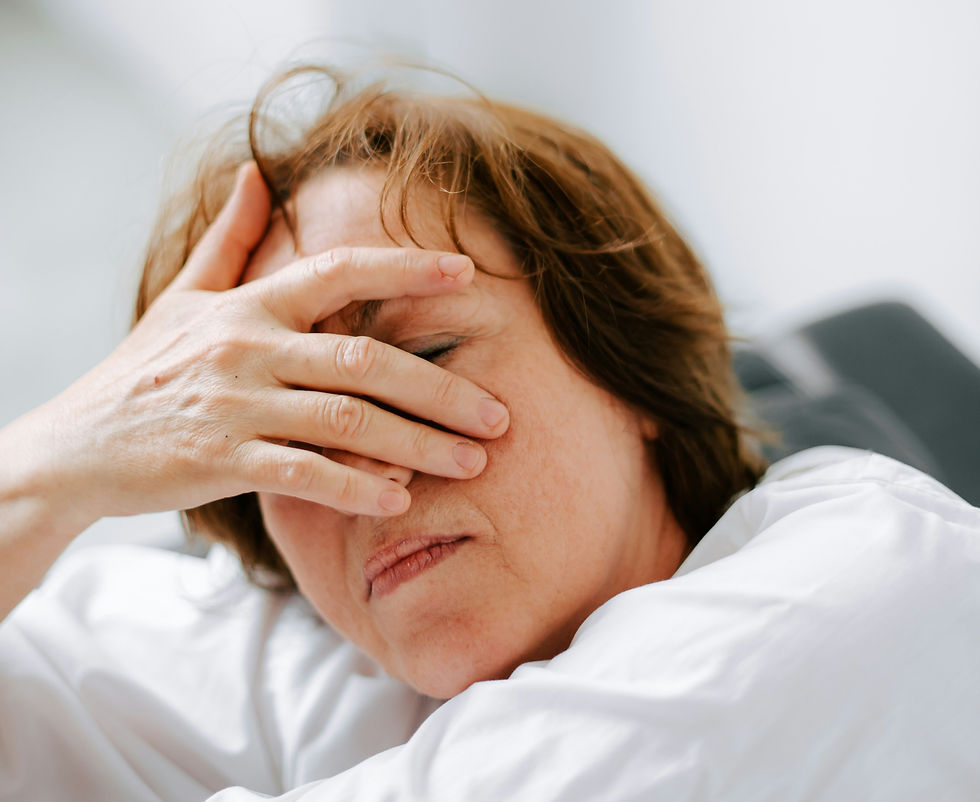
But over a short time, a pattern began to emerge.
Now there were mornings where I would simply roll out of bed, and that will trigger a shift in my lower back. A subtle “pop” - and I would know. Ughhh .. the next few days would be shaped by tightness and nerve pain. My body was becoming unreliable.
And this all changes how you move. And more importantly, it changes how you think about moving. Where I had once been comfortable in the gym, I now found myself cautious moving. Walking became my safe option. Gentle, predictable. The idea of pushing my body again carried a resounding thought - ‘no way Jose!’
At the same time, weight started to creep on at what seemed like a great rate of knots. And it was harder to shift than I’d ever experienced before. It would have been easy to see all of this as separate issues. An injury. Aging. Fitness decline. Lifestyle changes.
But as I began to understand more about what happens in the body during menopause, a clearer picture started to form.
Oestrogen plays a role far beyond what most of us realise. It supports collagen throughout the body - not just in the skin - but in joints, tendons and connective tissue. It helps regulate inflammation. It supports blood vessel flexibility and contributes to how efficiently oxygen is delivered through the body.
As levels decline, the body does begin to operate very under different conditions. Tissues can feel less elastic. Fascia - the connective tissue that allows the body to move freely - can become tighter, less hydrated, less willing to glide the way it once did. Joints can feel stiffer. Muscles take longer to recover.
Even breathing can feel different. Not dramatically, but enough to notice when walking upstairs or moving at pace. The heart works a little harder. The body asks for a little more effort.
And when an injury sits within that environment - even a relatively simple one - recovery can feel slower, more complex, and less predictable. That was the piece I hadn’t understood at the beginning … that my body was now working within a different set of parameters.
Over time, with the right medical checks, I ruled out anything more serious. Blood tests, heart checks, bone density - all of it provided a clearer picture. Starting HRT helped settle many of the more intense menopause symptoms, and my overall bone density improved slightly overall, which was reassuring.
At the same time, it became clear that not everything changes evenly. Some areas - particularly my lower back and hip – will still require more support. It was another reminder that the body doesn’t always respond in one uniform way, especially when it has already been under strain.
And yet, the physical side of things - the stiffness, the tightness, the hesitation around movement - still remains something I am working through.
Treatment helps. My osteopath often speaks about fascia, and I can feel the difference after a session. The body softens. Movement feels easier. But it also reminds me that this isn’t a one-off fix. It’s a process.
What I’m understanding now is, that the approach needs to shift. Not pushing the body the way I once did but supporting it differently. Gently rebuilding movement. Stretching. Reintroducing strength. Allowing time. Smelling the coffee and roses so to speak.
Because this stage isn’t about doing less. It’s about doing things differently.
And perhaps that is the quiet realisation in all of this. Not that the body is falling apart … it's complaining, having a wee moan - and we need to find a way to be supportive.
A Note from Teena:
There’s a stage where things don’t quite feel as they once did. Aches, stiffness, changes in energy, or simply a sense that the body isn’t responding in the same way.
This is something I hear often from women in the clinic. Not always one clear concern, but a collection of small shifts that together feel unsettling.
My clinic, Tease Hair and Beauty Rooms, is a place where you can come as you are, whether you’re looking for support with your skin, your hair, your new unwanted hair sprouting, or simply wanting to understand what your body may be moving through. Sometimes, having that space - to talk, to be guided, and to feel understood - is the first step in finding your way forward again.


